What is the general rule to get rid of clothes?
What is the general rule to get rid of clothes?
To effectively declutter your wardrobe, a general rule is the “One-Year Rule”: if you haven’t worn an item in the past year, consider donating or discarding it. Assess each piece based on its condition, versatility, and personal sentiment. Additionally, categorize clothes by season and relevancy, keeping only those that you truly love or need. Regularly revisiting your wardrobe ensures it remains functional, organized, and reflective of your current style preferences.
What is the General Rule to Get Rid of Clothes?
Understanding Your Wardrobe: Why We Accumulate Clothes
Clothes have an undeniable ability to accumulate in our wardrobes. They multiply over time, often leading to clutter and overwhelm. Understanding why we keep too many garments can help you make better decisions about what to keep and what to let go. Common reasons include:
- Emotional Attachment: Sentimental value can make it hard to part with items.
- Fashion Trends: The desire to follow trends often leads to poor purchasing decisions.
- Size Changes: Holding onto clothes with the hope of fitting back into them someday.
- Gifted Items: Keeping clothing that was given as gifts out of obligation.
The General Rule: One In, One Out
The primary rule to apply when tackling your wardrobe is the one in, one out principle. For every new item you bring into your wardrobe, consider removing at least one piece. This keeps your collection manageable and can prevent future clutter.
Here’s how to apply this rule effectively:
- Plan Your Purchases: Before buying, consider if you truly need the item.
- Set Regular Reviews: Regularly review your wardrobe to determine what you rarely wear.
- Donate or Sell: Elevate your letting go process by donating items or selling gently used clothes.
Seasonal Assessment: A Quarterly Check-Up
Implementing a seasonal assessment is another effective strategy for keeping your wardrobe under control. Every three months, take 30 minutes to assess your clothing and answer these questions:
- Have I worn this in the last season?
- Does it fit well and flatter my current body?
- Is it in good condition?
- Do I feel confident when I wear it?
If you answer “no” to any of these questions, put it in the “donate” or “sell” pile.
The 5-Item Challenge: All About Minimalism
To further examine your clothing choices, try the 5-item challenge. For one week, limit yourself to just five items of clothing. This can help you identify which pieces are truly essential and enjoyable to wear. After the challenge:
- Reflect: What did you miss? What did you not wear?
- Adjust Accordingly: Based on your reflections, consider letting go of items that didn’t serve you that week.
Evaluating Quality Over Quantity
Part of building a practical wardrobe is selecting quality items over quantity. High-quality clothes last longer and provide a better wearing experience, reducing the need to replace them frequently. When evaluating clothing for staying power:
- Check Fabric Quality: Natural fibers tend to be more durable than synthetic ones.
- Consider Versatility: Will this item work in multiple outfits?
- Assess Tailoring: Does it fit you well, or will it require expensive alterations?
Time-Saving Decluttering Techniques
Decluttering your wardrobe can feel daunting, but using simple systems can make this process efficient and uncomplicated.
The 10-Minute Sort
You don’t need a whole day to declutter your closet. Try the 10-minute sort: pick a section of your wardrobe and commit to sorting for just 10 minutes. Use this time to:
- Identify Non-favorites: Quickly scan through items and pull anything that doesn’t bring you joy.
- Make Piles: Create designated piles for donation, selling, or recycling.
The Hanger Method
Another effective technique is the hanger method. Hang all your clothes with the hangers in a backward position. After wearing an item, return it with the hanger facing the correct direction. After a season, you can easily see which clothes you haven’t worn and can consider parting with them.
Creating Clarity with Storage Solutions
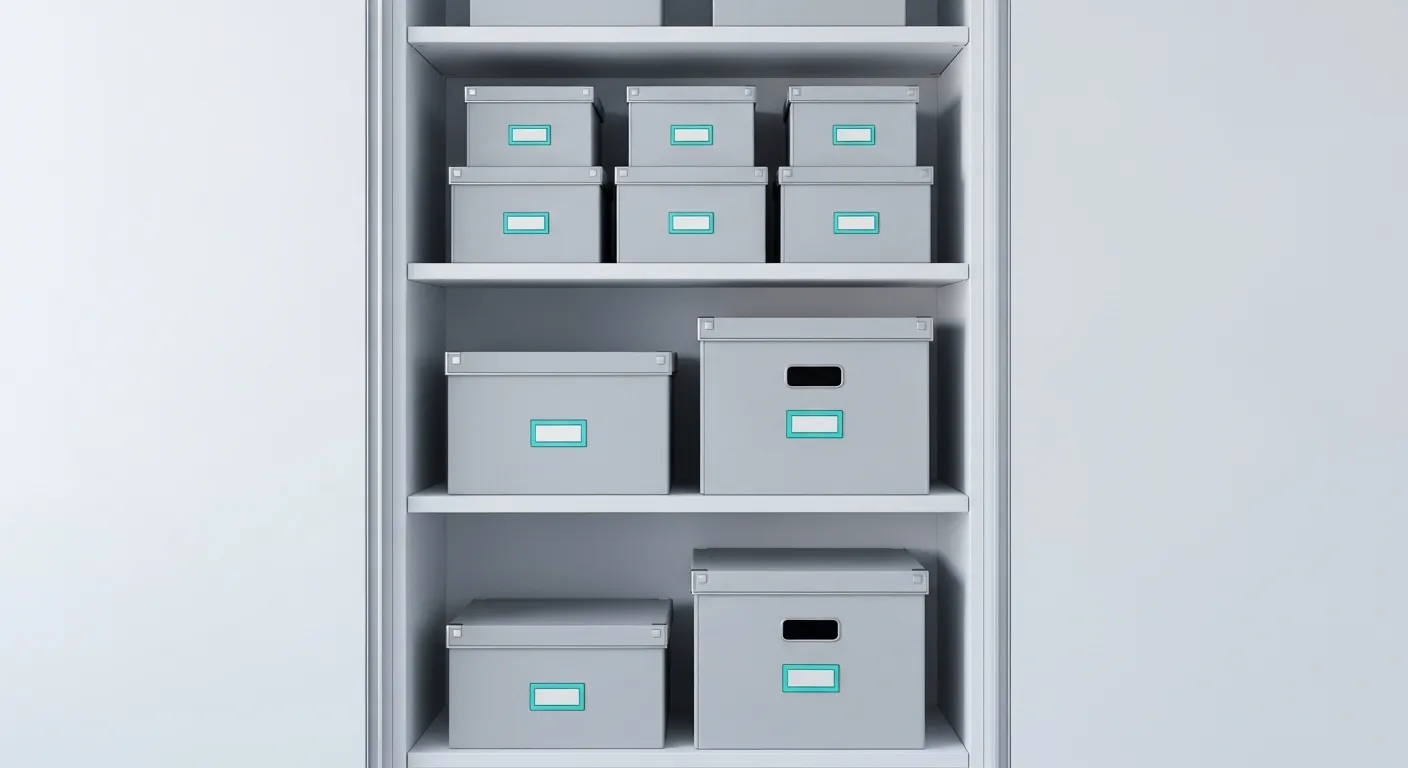
The way you store your garments greatly affects how often you wear them. Using proper storage solutions can help you maintain an organized wardrobe. Consider the following:
- Clear Containers: Use clear bins to make it easy to see what you have.
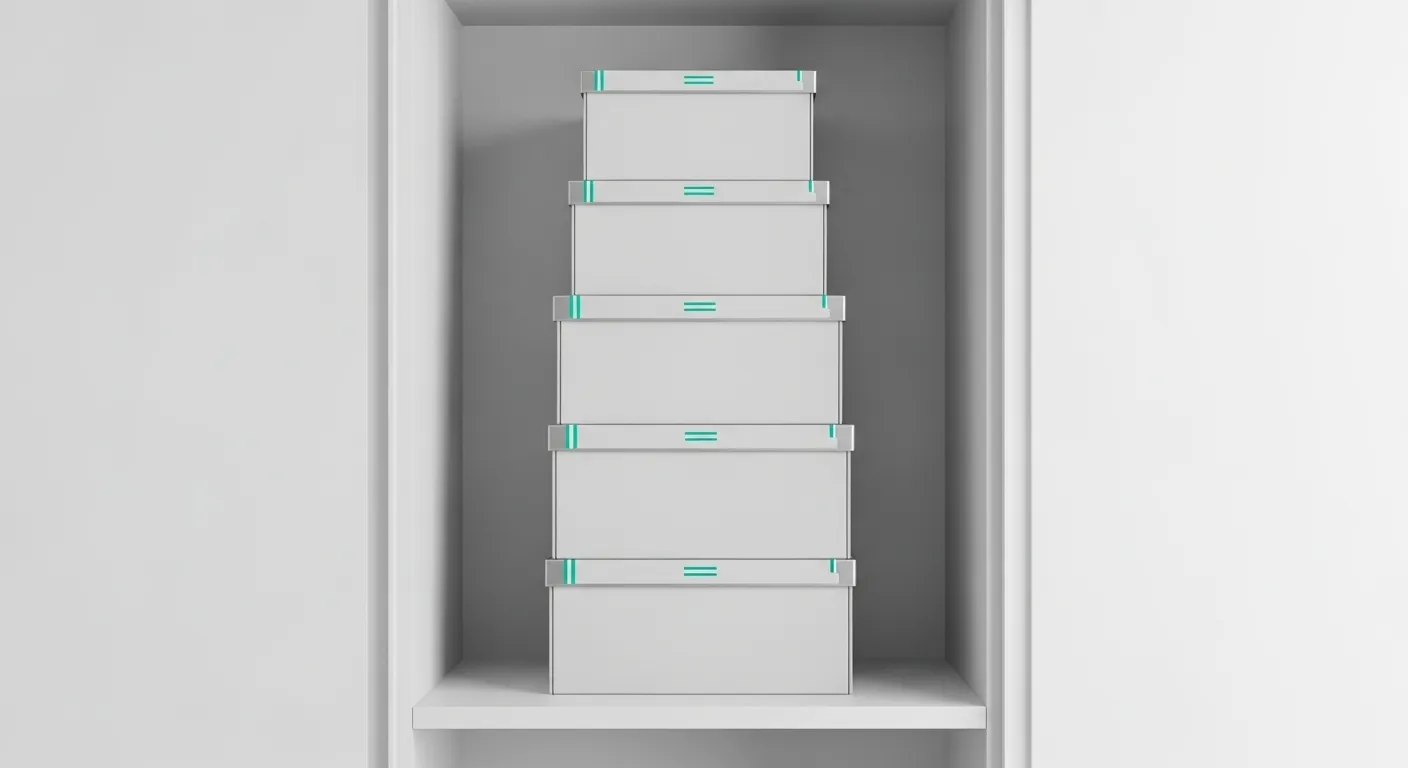
- Seasonal Rotation: Store out-of-season clothes in bins to help streamline your closet.
- Labeling: Clearly label boxes for efficient retrieval.
Setting Personal Guidelines for Wardrobe Management
To maintain a clutter-free closet, set up personal guidelines that reflect your lifestyle. Here are a few suggestions:
- Follow the 80/20 Rule: Aim to wear 20% of your clothes 80% of the time; focus on keeping and replenishing that core collection.
- One Special Occasion Rule: If you buy something new for a specific event, the next time you attend such an event, consider letting go of something you won’t wear again.
- Mindful Shopping: Practice mindfulness when purchasing to avoid impulse buys.
Incorporating a Capsule Wardrobe
The concept of a capsule wardrobe can be a game-changer for managing clothing and achieving an efficient lifestyle. This approach involves curating a small, versatile selection of clothes that can be mixed and matched for various occasions. Here’s how to go about it:
- Select Basics: Choose a few essential foundational pieces (e.g., neutral tops, versatile bottoms).
- Add a Few Statement Items: Incorporate some statement pieces that add interest and can be featured prominently.
- Limit Your Colors: Stick to a specific color palette to ensure everything matches with ease.
By designing a capsule wardrobe, you not only simplify your clothing options, but you also streamline daily outfit decisions, saving you valuable time.
Conclusion: Your Journey Towards a Clutter-Free Wardrobe
While it may feel overwhelming, understanding the general rule of decluttering clothes is all about creating a system that works for you. By embracing these actionable strategies—like the one in, one out rule, seasonal assessments, and mindful storage—you take significant steps towards a stress-free and organized home. Remember, it’s not just about getting rid of clothes; it’s about cultivating a wardrobe that reflects your lifestyle and personal style, ultimately leading to a sense of clarity and calm in your everyday life!

Related Articles
Our Categories:
-
⭐ Organization & Practical Living: Seu guia fundamental para criar um lar funcional, implementar sistemas de eficiência e construir uma vida cotidiana mais organizada e livre de estresse.
-
🏠 Home Organization: Guias fundamentais e planos sistemáticos para organizar cada cômodo, garantindo um layout de casa eficiente e livre de desordem.
-
✨ Decluttering Tips: Estratégias acionáveis, conselhos de especialistas e métodos passo a passo para simplificar seu espaço, reduzir pertences e manter uma mentalidade minimalista.
-
🧼 Cleaning Routines: Checklists eficientes, truques de limpeza rápida e recomendações de produtos sustentáveis para manter uma casa limpa e brilhante sem estresse.
-
📦 Storage Solutions: Ideias criativas e práticas para maximizar cada centímetro de espaço, utilizando armazenamento vertical e investindo em recipientes inteligentes e funcionais.
-
🗺️ Room By Room Guides: Tutoriais detalhados e específicos, e checklists para organização profunda e estilo de áreas individuais como cozinha, quarto e hall de entrada.
-
💡 Daily Life Hacks: Dicas rápidas e inteligentes, e ajustes simples na rotina diária que economizam tempo, aumentam a energia e tornam a vida cotidiana mais fácil de gerenciar.
-
⏳ Time Management Basics: Métodos simples e técnicas fundamentais para planejar, priorizar tarefas, definir metas e implementar o time-blocking para maximizar a produtividade.
-
✅ Checklists And Planners: Modelos para impressão, ferramentas e sistemas para planejar refeições, manutenção doméstica, mudança e rastreamento de tarefas para manter a vida funcionando perfeitamente.

Decluttering your wardrobe can not only open up space but also help you financially. Knowing how to wisely get rid of clothes is crucial in today’s consumer-driven society. The rule of thumb is to keep clothing that you love, wear regularly, and align with your current lifestyle. By following practical guidelines, you can make more informed decisions about what to keep, donate, or sell for profit. This article discusses the general rules and offers answers to common questions to help you clean out your closet effectively.
General Guidelines for Getting Rid of Clothes
Consider the following rules when evaluating your clothing:
- One-Year Rule: If you haven’t worn it in the past year, consider letting it go.
- Fit and Comfort: If it doesn’t fit or you’re not comfortable, it’s time to say goodbye.
- Style Assessment: Is it in line with your current style? If not, it may be best to part ways.
- Emotional Connection: Keep only the items that bring you joy or hold significant memories.
- Quality Over Quantity: Invest in high-quality staples rather than excessive fast-fashion items.
Conclusion
By applying these general rules when getting rid of clothes, you not only create a functional wardrobe but also support your financial wellness. Prioritize items that reflect your current tastes and lifestyle to maintain a curated closet. This practice can lead to increased savings, as you can sell unwanted garments or donate them for tax deductions. Ultimately, thoughtful decluttering can enhance your personal style while contributing positively to your financial health.
FAQs
1. What is the best way to decide which clothes to keep?
Use the one-year rule—if you haven’t worn it in a year, consider donating or selling it. Also, assess comfort and fit for an informed choice.
2. How can I sell my unwanted clothes?
You can sell clothes online through platforms like Poshmark, eBay, or local consignment shops. Make sure your items are clean and well-presented.
3. Should I donate or sell my clothes?
If items are in good condition and valuable, consider selling. If they are worn or out of style, donating is a good option for social impact.
4. How often should I clean out my closet?
It’s a good practice to reassess your wardrobe seasonally or bi-annually to keep it organized and relevant to your lifestyle.
5. What items should I always keep?
Keep versatile basics, seasonal essentials, and key statement pieces that fit your personal style and lifestyle needs.
6. How can I make a profit from my old clothes?
Selling on online marketplaces or holding a garage sale can help you monetize unwanted clothing. High-demand brands or unique items can yield higher prices.
7. What are the benefits of decluttering my wardrobe?
Benefits include creating space, simplifying outfit choices, and potentially earning money from sales or tax deductions through donations.
8. Can donating clothes impact my taxes?
Yes, donations to qualified charities can provide tax deductions; keep receipts for your records as proof of donation.
9. How do I dispose of clothes that are too worn to wear?
Look for textile recycling programs in your community for responsible disposal, or check if your local charity accepts worn items for recycling.
10. What’s the environmental impact of fast fashion?
Fast fashion contributes to waste and pollution. By curating your wardrobe, you can make more sustainable fashion choices that benefit the environment.
11. How can I avoid clutter in the future?
Adopt a ‘one-in, one-out’ policy: for every new clothing item you buy, consider letting go of one. Be mindful of purchases that don’t align with your style.
12. What style guidelines should I follow?
Choose pieces that suit your body shape and reflect your personal style. Invest in timeless items that can be mixed and matched for multiple outfits.
13. Should I involve family or friends in my decluttering process?
Yes! Involving loved ones can provide different perspectives and help you maintain motivation during the process of decluttering.
14. What are some charitable organizations to donate clothes?
Consider donating to Goodwill, Salvation Army, or local shelters. Research local organizations that accept clothing donations and support your community.
15. How can I organize my closet after decluttering?
Organize by category, color, or season to create an aesthetically pleasing and functional space. Use storage boxes or dividers for small items.